

The Benefits of Sensory Play
As a parent of young children, one thing you’ll often hear about is sensory play. On the surface, it seems wonderfully simple, and yet it’s a crucial part of early years development.
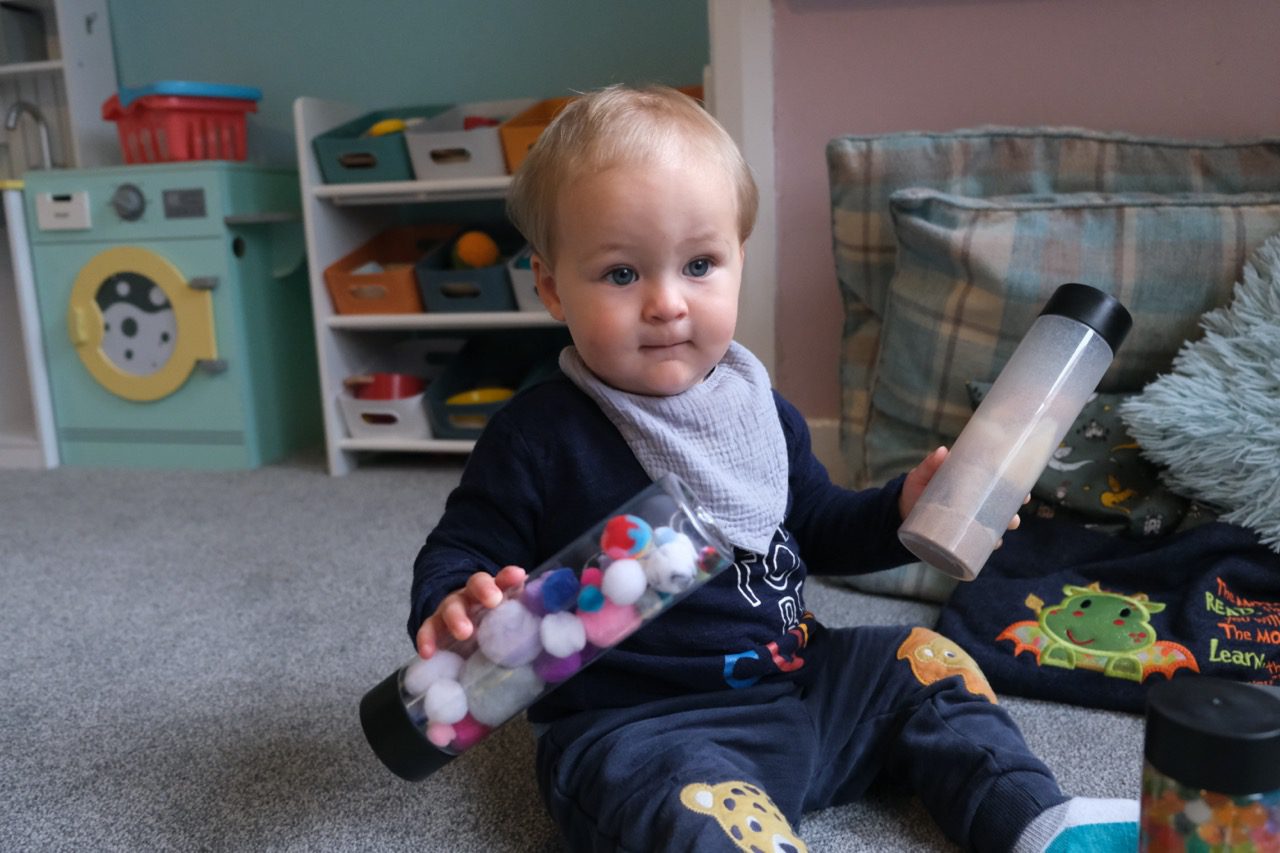
Sensory play is any activity that encourages the understanding of our five senses: sight, smell, taste, hearing and touch. These senses are part of everyday life and specific sensory activities allow little ones to engage with them in new ways. Popular examples include finger painting, bathtime, and sensory boxes filled with sand, pasta, or anything else.
At our day nurseries in Exeter, we encourage sensory play in everything we do as part of a holistic nursery experience. To understand why it’s so important, here are some of the key benefits of sensory play for young children.
To Understand the World
At every moment in the day, we may use a combination of sights, sounds, smells, tastes and touches to not only navigate but understand our place in the world around us.
In the early years of childhood, we’re still getting to grips with what all this sensory information means. By engaging in play that focuses on the senses, we help little ones to start to understand what they mean.
Whether it’s pasta making a noise inside a shaker when we turn it or your hand being wet if you put it in water, understanding these sensory experiences helps children to learn about cause and effect, a cornerstone of our understanding of the world.
Brain Development
As children discover new sensory experiences, their brains work hard to record them. Sensory play encourages the brain to create new connections, particularly concerning our memory.
More sensory play will often lead to improved memory skills, as well as general cognitive development as children start to recognise certain touches or tastes in different environments. All of this will make it easier for your little one to take on more complex cognitive challenges as they grow older.
Creative Skills
A key part of effective sensory play is allowing the child to explore how they want. Curious children will want to see, touch and taste lots of different things, so it’s best to create an environment where they can get as sensory – and as messy – as they want.
With space to explore their senses and various objects, children can learn to develop their creativity. The creative side of sensory play doesn’t just help with developing individuality but also allows space for children to discover what they like and don’t like.
Emotional Development
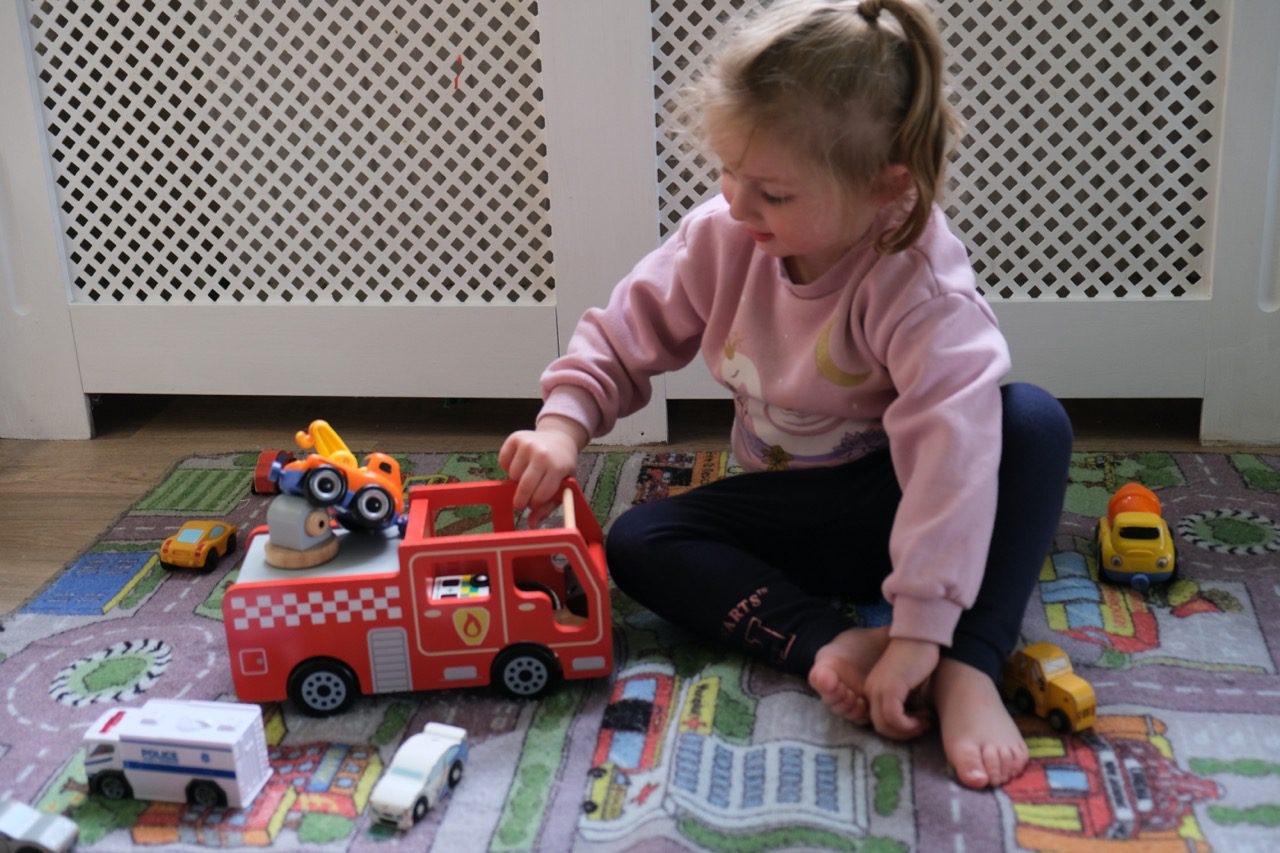
As your child grows up, you’ll notice that they start engaging in sensory play differently. For example, a child may discover that they enjoy a particular colour for finger painting or a particular texture against their skin.
These gradual changes are often a positive sign of your child’s emotional development. The more they engage with different senses, the more they’ll learn about the particular sensations that bring them joy or a sense of calm.
Some children will discover that certain noises make them happy, or specific sensations – such as warm water or a soft blanket – make them feel calm. Knowing this, as a child and as a parent, can be useful in helping children develop emotionally as they grow up.
Motor Skills
Because sensory play is often very hands-on, it can be a great way to develop your child’s motor skills. Whether it’s grabbing pasta or drawing a shape with their fingers, all these little movements are the building blocks towards other skills such as using pens and pencils.
Directing your child’s sensory play is a great way to encourage the development of specific motor skills. After you’ve allowed them time to explore for themselves, you could turn it into a game, such as matching similar objects, putting them in order or assembling something.
Improved Language Abilities
Learning words is a memory game. As adults, we attach words to events, places, or sensations to remember their meanings. As children, we often put words to shapes, colours, or our senses.
By engaging as many senses as possible at the same time, sensory play makes it easier for young minds to pick up and remember specific words by attaching them to new sensations.
‘Cow’ could be learned by playing with a toy cow, or ‘red’ could be learned by finger painting. As discussed earlier, all these early experiences will strengthen cognitive development and make it easier for children to pick up new words in future.
The great thing about sensory play is that it’s incredibly easy to do. You don’t need a dedicated sensory box – a sink bowl of water or a plate of different foods can be simple ways to engage your child’s senses and give them wonderful opportunities to develop their young senses.