


What is Transient Art & Loose Parts Play in Early Years?
Allowing young minds the freedom to play and be creative is a crucial part of early years development at our day nursery in Exeter. One of the best ways to achieve this is through what’s known as ‘transient art’.
Whether you’ve heard of transient art or not, we’re here to explain the simplicity behind this technique and how you can use it to help your little one explore, create and grow, all while having lots of fun!
What is Transient Art?
Transient art is a broad term used in early years education which can refer to any kind of activity involving loose parts. It is also simply called ‘loose parts play’ and these terms are largely interchangeable, although transient art tends to refer to a specific kind of loose parts play.
Transient means ‘something that lasts for a short time’. Unlike traditional art or drawing where creations are permanent (you can’t remove paint from paper, for example), transient art uses loose materials that can be collected or returned afterwards.
Examples of Transient Art & Loose Parts Play
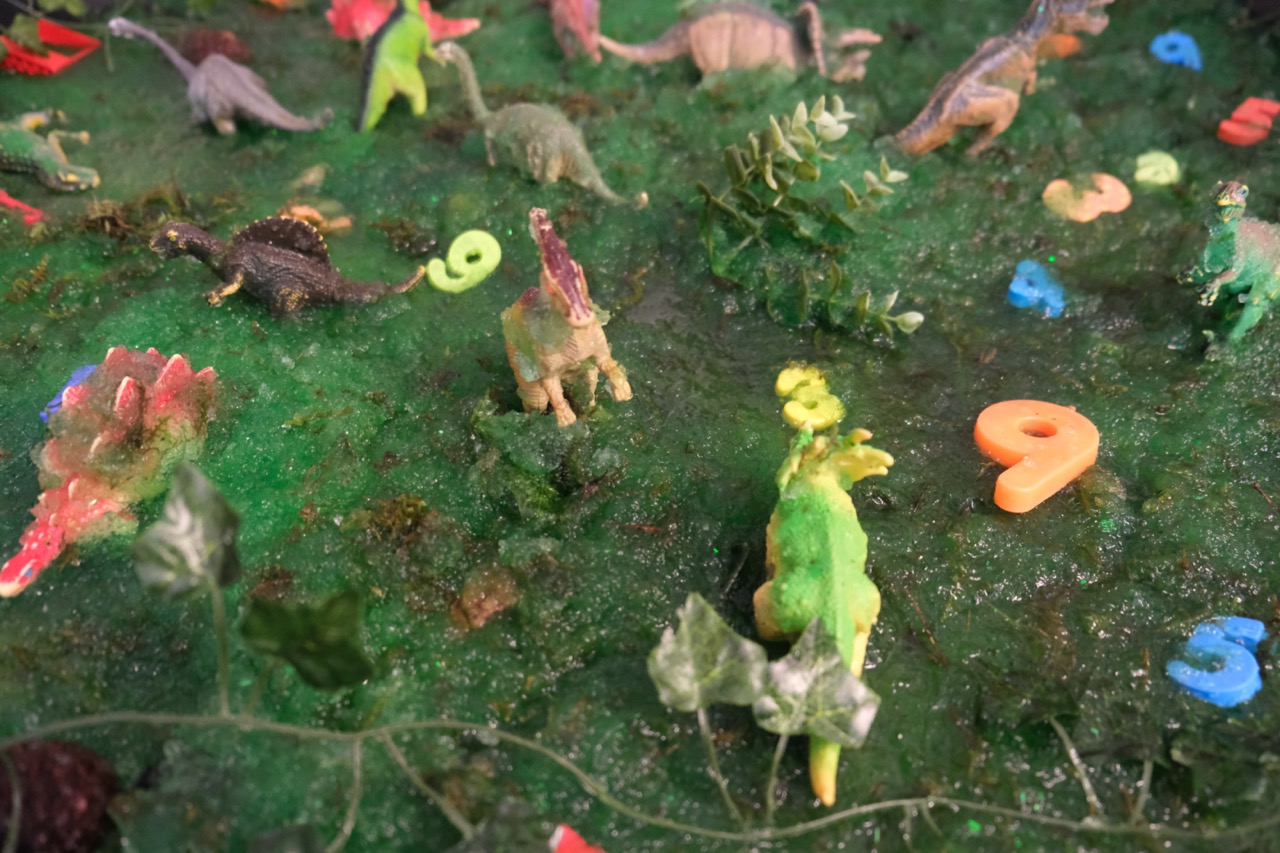
When referring to transient art, we tend to refer to artistic activities such as making faces using loose materials. However, when we expand our horizons and look at loose parts play as a whole, this can take a whole myriad of forms.
Both transient art and loose parts play can involve any loose materials. Often, the best loose parts play will use a combination of materials that allow children to explore different colours, sizes and textures.
Once we have our materials, loose parts play can involve all manner of fun and engaging activities, such as:
- Creating different faces (such as happy and sad faces)
- Drawing letters and numbers
- Grouping or sorting materials
- Creating a picture of a landscape using garden materials (such as leaves and sticks)
 The Benefits of Transient Art & Loose Parts Play in Early Years
The main reason that transient art is so good compared to traditional art is that it allows for so much freedom. Young minds can explore the materials and the ideas in their heads, and through discussion and support from caregivers, are free to adjust their creations because nothing is pinned down.
Thanks to the freedom this form gives, loose parts play helps little ones in many areas of their development:
Creativity and Curiosity
Much of loose parts play is about giving young children the freedom to explore and express themselves. With loads of different materials to choose from, little ones can get creative with the kinds of images they produce.
Giving young children the space to be imaginative and curious can really help their growth, helping them develop critical thinking and problem-solving skills while also having fun.
Motor Skills
Loose parts play is very tactile, which is great for developing hand-eye coordination. By using a whole host of different materials, children can explore various shapes and textures as part of the experience.
Children can play around with different shapes while making transient art. Having different weights and sizes also helps little ones improve their grip.
Communication
Because transient art involves using various materials to create pictures, there is usually a story behind every decision. Talking with children while they’re making their art and asking them about their choices is a great way to develop their early communication skills.
Some loose parts play activities also involve working in groups, which is another fantastic opportunity to develop those early social skills.
Overall, loose parts play is one of many fantastic ways young children can have fun while also developing the life skills that will help them flourish. If you’re interested in learning more, check out our blog on the benefits of sensory play.
If you would like to enquire about a space at one of our nurseries, be sure to contact our team today.