

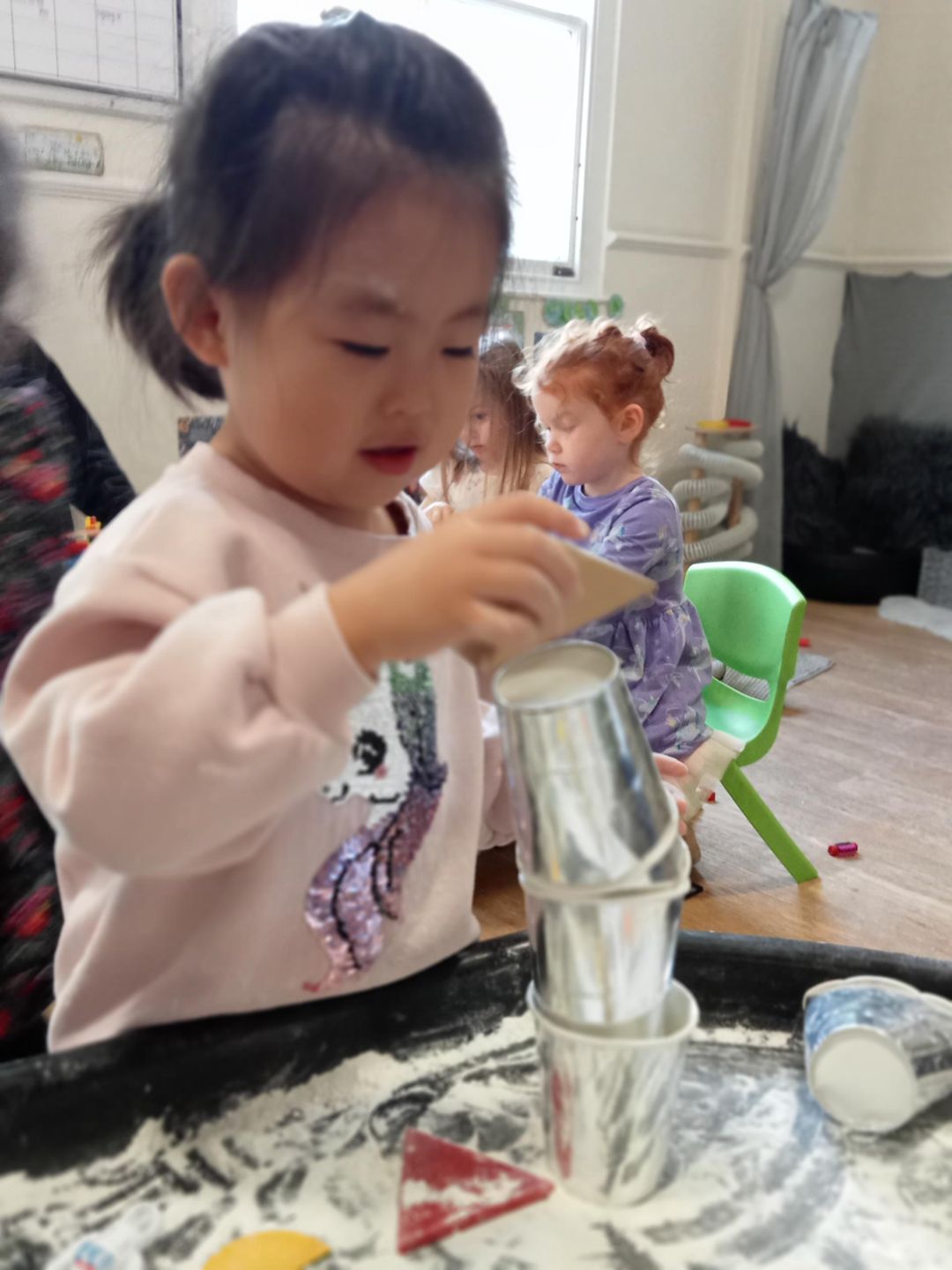
There’s nothing like the connection a parent has with their child. As a parent, you’ve most likely spent every minute of every day attending to their every need and dedicating most of your time to being with your little one.
Studies show that bonding with your infant is crucial for their brain development, physical growth, and sense of self. Not only has your baby formed an unbreakable connection with you, but you have towards them, too.
Leaving your child at nursery can be extremely daunting, and you may not be sure if it’s the right thing to do. An overwhelming sensation may pass over you when you realise that you will no longer be spending all day, every day, with your baby or toddler, and your child may find the transition challenging to deal with, making it even harder for you to follow through.
Rest assured, these feelings are entirely normal, and almost all new parents undergo this tricky transition. It’s a significant change for your child and you.
At Devon Nurseries, we have years of expertise and have seen many anxious children settle in and go on to develop essential relationships with others their age, as well as a variety of valuable skills which will help them later in life. Your child’s early interactions set a foundation that plays a vital role in their adult life.

1. Start with Short Sessions
It can be beneficial to give your child the time to become familiar with a new environment at a slow and steady pace. Here at Devon Nurseries, you’re welcome to start by visiting one of our nurseries with your child first so they can take it all in with you by their side. Once they feel comfortable with that, you can build it up to shorter sessions, gradually extending their time here.
Doing this allows your child to process new surroundings without feeling suddenly overwhelmed at once, giving them the room they need to manage any emotions that arise from change.
2. Prepare For Your Child’s Emotions
Your child may have a mixture of feelings when starting nursery. Whilst some children settle in fairly quickly, others may feel anxious and scared, and that’s okay. This is perfectly normal, but it will be easier to deal with if you’re prepared for your child to react that way.
Try to make them feel comfortable and calm in the morning; perhaps bring their favourite toy and blanket so they have a sense of home with them. Reassure them by letting them know you’ll be back later to pick them up so they don’t think you’re leaving them forever and can expect you soon.

3. Take Time to Process Your Own Feelings
You may feel a sense of deep guilt when leaving your child at nursery, especially if you see your child in distress. While this can feel like a lot, it’s important to remember that these feelings will pass.
Validating yourself as a good parent can be helpful in this situation, and reminding yourself that you are leaving your child in safe and capable hands is also helpful.
It’s in our nature to worry as a parent but remember, our friendly staff are here to support you and your child as you navigate this transition, which brings us to our next point: communication.
4. Communication Helps
At Devon Nurseries, we believe that good communication between parents and nursery staff is vital, so we implement a ‘key person approach’. This allows parents to receive updates on how their child is doing from one specific carer (your key person). You’ll be able to raise any worries or concerns to your key person and discuss the positive progress your child is making.
We encourage open communication between the parents of the children at our nurseries through regular discussions, our famly app (where you’ll receive updates on your child’s day at our nursery), and planned events (which will allow you to meet other parents, too).
The benefits of our key person approach:
- You’ll get to build a solid, trustful relationship with your key person.
- You’ll have a dedicated point of contact who you can reach out to at any time.
- Your key person will get to know your child really well and build a meaningful relationship with them.
- Your key person will update you on how your child is settling in.
5. Think About the Benefits of Nursery
It can be helpful to look at the bigger picture and remind yourself why you’re taking this step forward, especially during the challenging settling-in period.
When your little one is surrounded by other children their age, it allows them to develop critical social and communication skills that will greatly benefit them in adult life.
So, if you find yourself dealing with an immense feeling of guilt because you need to go back to work, or you’ve simply decided it’s time to let your child experience other environments, remember that you’re not being selfish. You’re being selfless by encouraging your child to adventure new surroundings with new people, which will guide them to learn new skills and gain the confidence they need to express themselves.
Our staff encourage an open and safe atmosphere for children to make new friendships and develop their initiative whilst giving them the nourishment and tools they need to grow as an individual and gain confidence and self-esteem.
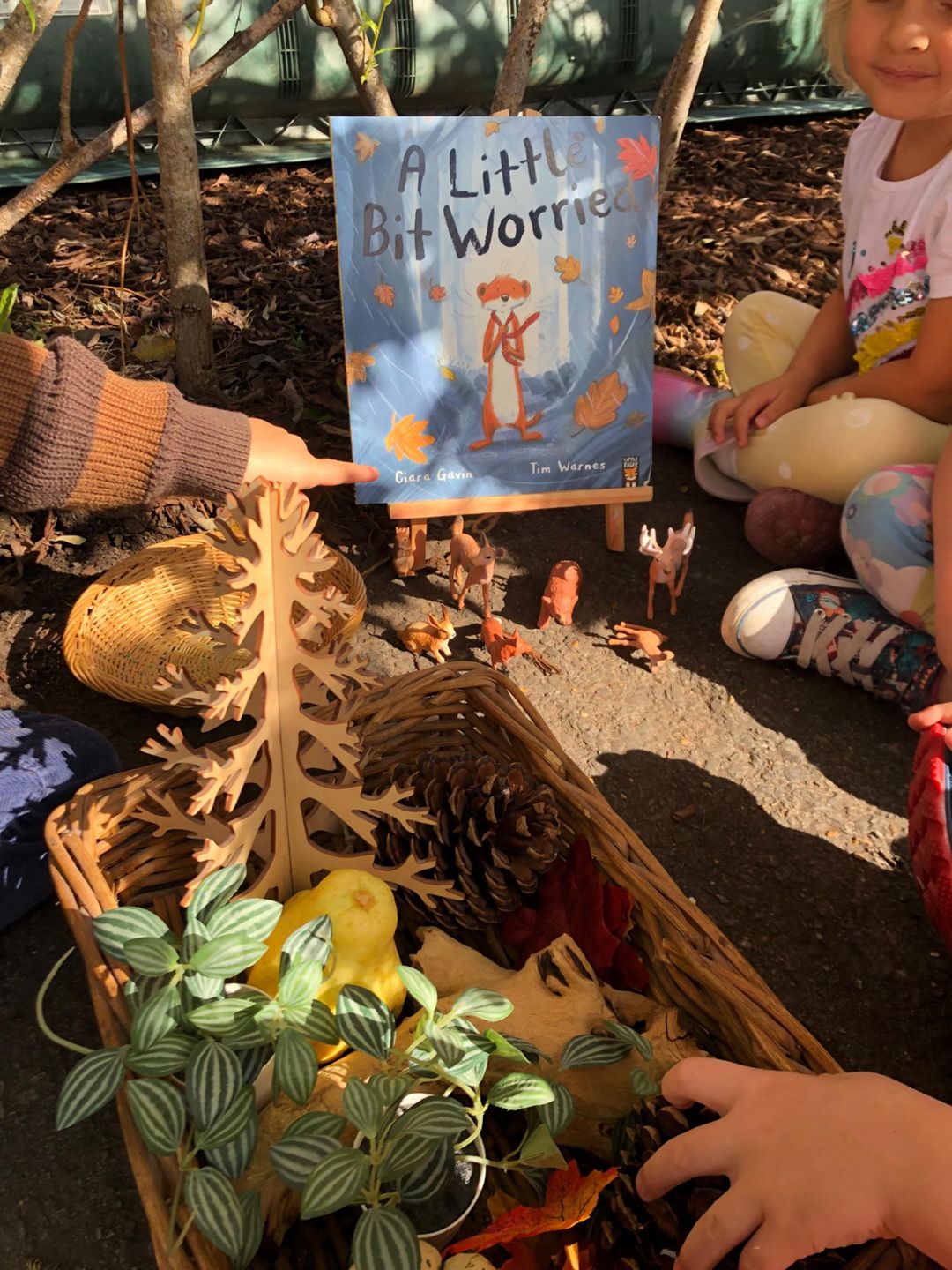
At Devon Nurseries, we set exciting day trips out and help children learn valuable literacy skills to help give them a head start. We also encourage them to become comfortable with routines, set meal times and planned learning.
You also have the opportunity to focus on yourself a little more while your child is at nursery, which you shouldn’t feel bad about. Getting back into work and progressing in your career can be exciting.
6. Preparation is Key
Settling your child into a nursery can require a lot of patience and compassion. Children are sensitive to the emotions and moods of other people, especially their parents. So, if you’re in a calm, happy state, your child will most likely feel this and be in positive spirits themselves.
It can be helpful to ensure you have everything prepared for nursery the night before so you’re not rushing around in the morning. If you’re stressed, this may influence how your child feels before arriving at nursery, making it more difficult for them to settle in.
7. Talk About Nursery Positively
When you talk about nursery in a positive light around your child, they’ll start to become familiar with the concept of going to nursery and develop a happy attitude towards it. Even if they only pick up on a few things you say, your child will become more aware of what to expect and be more open to exploring what nursery is all about.
Although the first day can be tricky, talking about nursery positively before going will give them time to prepare and have something exciting to look forward to. If you talk about how you’re worried and your child hears this, they’ll most likely become anxious, making the transition even more difficult.
Asking them how their day was and mentioning how great the nursery is around them when you’re home will reassure their positive thoughts about nursery. That’s not to say that they’ll immediately have positive feelings towards it, though, and it’s essential to listen to any worries they might have. Communication is key, and understanding how your child feels will only help us support them when they’re here.
8. Trust the Nursery’s Expertise
We have many years of expertise and knowledge in caring for young children at Devon Nurseries. We understand that leaving your child in someone else’s hands can leave you feeling uneasy. But it’s important to remember that you’re leaving your child in perfectly competent and capable hands and that they’re in a safe, happy environment.
Our compassionate team is here to support your child at every need, while gently encouraging them to learn new skills and have fun! If you’d like to learn more about our various nurseries in Exeter and Exmouth, please get in touch.