

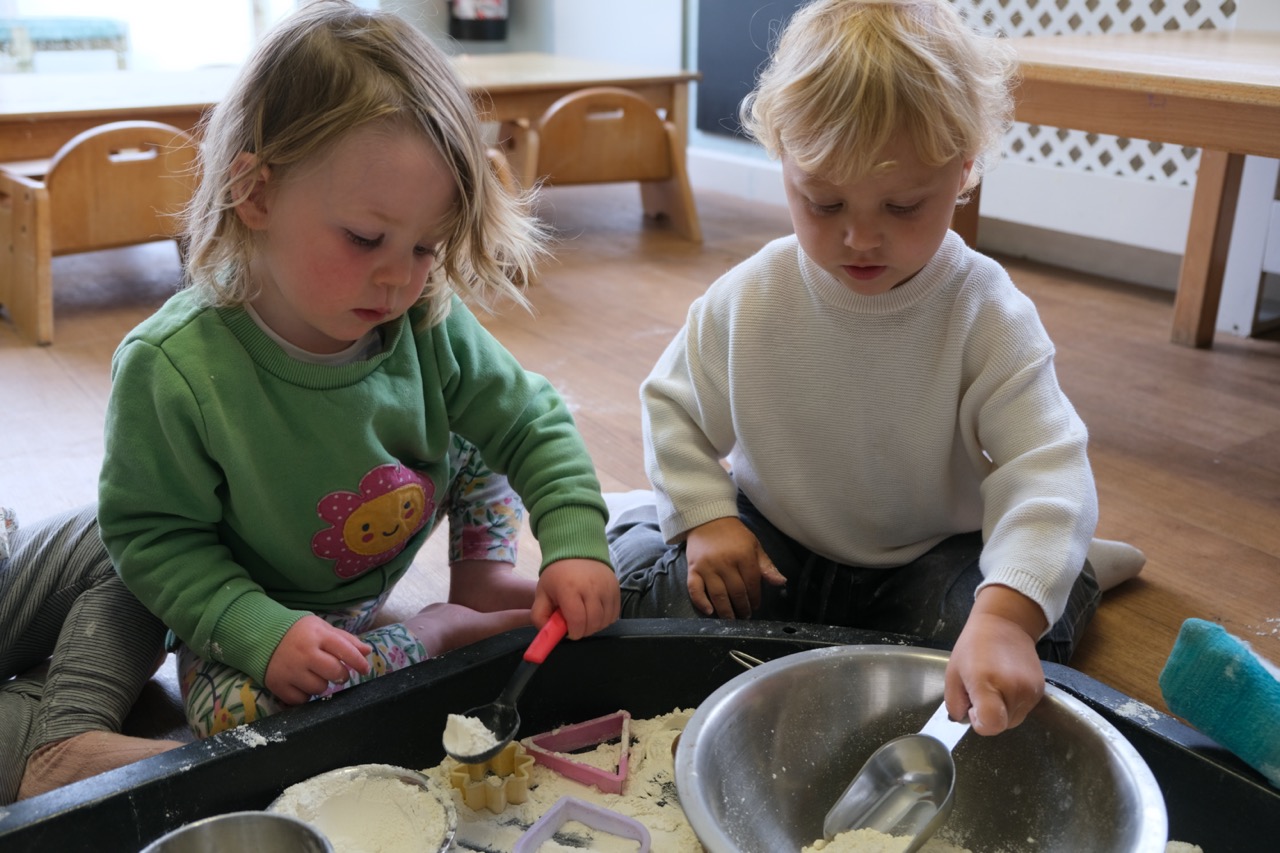
Social Development in the Early Years
Children grow up fast in those first few years! Everything is a new adventure as they begin to learn and develop a wide range of skills, both at our Exeter nurseries and at home.
Beyond your child’s physical development and key skills such as vocabulary and creativity, it can sometimes be underestimated just how important their social development can be. Alongside the other key skills, how children interact with and understand others is a crucial part of their development, both in nursery and beyond.
Why Social Development is Important for Toddlers
Humans are a social species, and how we interact with others impacts every aspect of our lives, often in ways we don’t even recognise.
Social development for children includes a range of skills around how they interact with both other children and the adults in their lives. It also looks at a child’s sense of self – recognising themselves and their responsibilities as part of our social world.
All of this comes together to teach toddlers the building blocks to key skills that will stay with them for their whole lives, such as:
- Making friendships and cooperating with others.
- Understanding their own feelings and recognising the feelings of others.
- Learning to care for their own needs and get help when necessary.
- Understanding when to persist with what they want and when to wait patiently.
- Resolving conflicts.
- Developing a positive sense of self.

What is Social Development in Early Years Education?
In the Early Years Foundation Stage (EYFS) framework, this area is called Personal, Social and Emotional Development (PSED). This focuses on both social and emotional skills, teaching children to understand feelings and needs both in themselves and others.
In early years settings like nurseries, social development is both taught and modelled. Each child will have a ‘key person’, someone at the nursery with whom they can build a close relationship. Not only does this help children feel secure and settled at nursery, it also provides a crucial foundation for them to explore relationships beyond what they’ve learned so far through family interactions.
A significant portion of social development is centred on confidence, particularly in the early years. By building that strong relationship with a key person, children can develop their self-confidence, which enables them to explore the world around them freely and develop those key social skills.
How to Support Your Child’s Early Social Development
Of course, as much of a young child’s development happens at home as it does in a setting like a nursery. If you’d like to help your little one develop their social skills, here are some great tips:
- Create a Safe Environment: Offer lots of affection and patience to allow your child to explore their emotions.
- Model Social Skills: Young children take their cues from carers, so make sure your social interactions model kindness and care.
- Learn Through Play: Activities are a great way for toddlers to develop all sorts of skills. Things like sharing toys, taking turns and singing songs together all teach social skills.
- Make Room for Social Interactions: Arranging play dates and visiting places like parks all create more opportunities to practice social skills.
Ultimately, by creating a safe environment and allowing children to make lots of close relationships with different adults and children, you give your little one the best opportunity to develop the key social skills that they’ll use throughout their lives.