

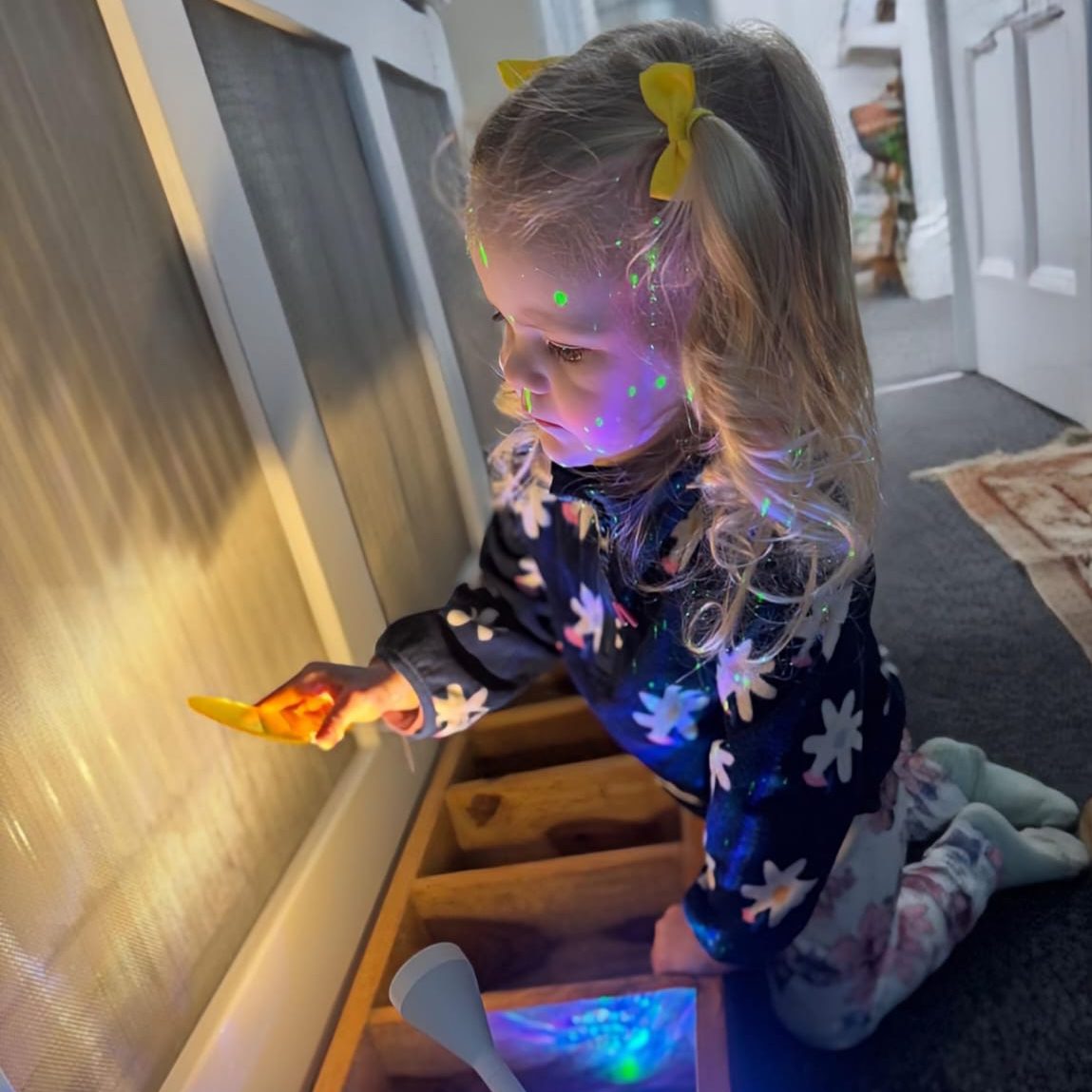
What is the Curiosity Approach in Early Years?
We all know how important the first few years are to a child’s development. Previously, pressure to get everything right has led to parents and nurseries creating very controlled educational settings, but at our day nursery in Exeter, we believe in a more rounded approach.
You may have heard of the curiosity approach, as it’s quickly becoming one of the most popular forms of early years development. However, truly understanding what it entails and how to implement it can ensure your young ones enjoy all its benefits and become curious children as they grow towards school and beyond.
What is the Curiosity Approach?
The curiosity approach, as the name suggests, puts an emphasis on facilitating the natural curiosity of young children and allowing that to guide their learning experiences.
While the curiosity approach has become popular over the last few years, thanks in no small part to teachings by Lyndsey Hellyn and Stephanie Bennett, the techniques behind the curiosity approach have been part of early years education for many generations, partly because of their simplicity.
We’ve spoken extensively about how play is a crucial part of early years education, but what kind of play is best?
The core idea of the curiosity approach is to minimise instances where the nature of play is directed, and increase moments when the child is free to explore themselves with the support of a carer. See below some examples of what this can look like in practice.
A Traditional Setting
- Adult-led approach
- Toys with specific uses
- Drawing sessions
- Colourful rooms
A Curiosity Approach Setting
- Child-led approach
- Simple objects & items that can be used imaginatively
- Drawing tools left in the room for children to use when they want
- Neutral rooms
The curiosity approach goes beyond just play, however. From ensuring more time is taken to flow between activities (instead of a rigid timetable) and creating more empathy in direct care situations, such as tidying up, the approach is designed to create a much more open, supportive, and human environment that fosters the child’s desire to explore the world for themselves.
Benefits of the Curiosity Approach in Early Years
The curiosity approach isn’t just about fostering imagination; it’s a way to help develop incredibly rounded and balanced young children who are more prepared for future steps, such as school.
- Muscle Development – As with other styles of play, the curiosity approach creates plenty of opportunities for developing motor skills through grabbing and manipulating various shapes.
- Calm & Relaxed Children – By having more time to decide what they want to do, and more care given during moments of change (such as the start of their day at nursery), children tend to feel more relaxed and emotionally stable.
- Increased Creativity – With less guidance, children become more capable of exploring their world through creative expression or problem-solving.
- Better People Skills – The curiosity approach facilitates more open interactions, giving children more opportunities to communicate and share ideas with one another and their carers.
- Confident Children – Having more control over their learning experience helps foster confidence in children and a stronger sense of identity.
 How We Apply the Curiosity Approach at Devon Nurseries
At Devon Nurseries, we understand the importance of creating comforting, open environments that facilitate play. Our Adventurers Nursery in Exeter follows the official Curiosity Approach, but elements of this pedagogy can be found across all of our nurseries.
All of our nurseries are designed to provide holistic early years education. We create happy and safe spaces, including outdoor spaces and experiences, that empower a child’s natural curiosity. All of our qualified staff encourage children to become thinkers and talkers, developing their confidence not just in themselves but around other children, giving them all the skills they’ll need to flourish as they grow.
If you would like to learn more about our approach to early years education, feel free to get in contact with us. Or you can learn more about our approach to early years development through our blog.
