The Benefits of Music in Early Years
Much of early years development at our day nurseries in Exeter centres on exploration and discovery. When it comes to encouraging exploration, many people think of activities like drawing and toys, but music can also be an incredibly powerful way to encourage young minds.
As with other forms of early years sensory play, music can provide a whole range of developmental benefits for young children, many in areas you might not expect.
 What is Early Years Music?
First of all, it’s important to understand what music entails in an early years setting. The idea of playing music evokes images of instruments and practice, but for early years nurseries, it’s just about making and exploring sounds, an extension of other forms of play.
Music in an early years setting, such as our nurseries, might include:
- Allowing children to play with instruments and discover sounds.
- Exploring rhythm, either by creating it themselves or copying a carer.
- Moving and dancing to sounds.
- Exploring their voices and joining in rhyming songs.
As you can see, music in early years is less structured and more about creating opportunities for young ones to explore their sense of sound in much the same way they explore other senses through things like drawing.
Why is Music Important for Child Development?
As we’ve discussed, play is such an important part of a young child’s development. By exploring through play and creativity, little ones stimulate their minds and bodies in countless ways, as well as developing key traits such as social skills, self-expression and a love of learning.
Music is particularly beneficial in early development because it focuses on their sense of sound, as opposed to the many games that focus on touch and sight. We can take our sense of sound for granted, but if you consider that sound includes things such as listening to others and controlling voice intonations, you begin to understand how vital it can be as a skill in early life and beyond.
 The Benefits of Music in Early Years Education
There are countless benefits to including music and sound games in early years education, often dependent on the nature of the activity. Many of the most common can be grouped together into four broad categories.
- Movement and Motor Skills
- Listening and Social Skills
- Speaking and Vocabulary
- Exploration and Expression
Movement and Motor Skills
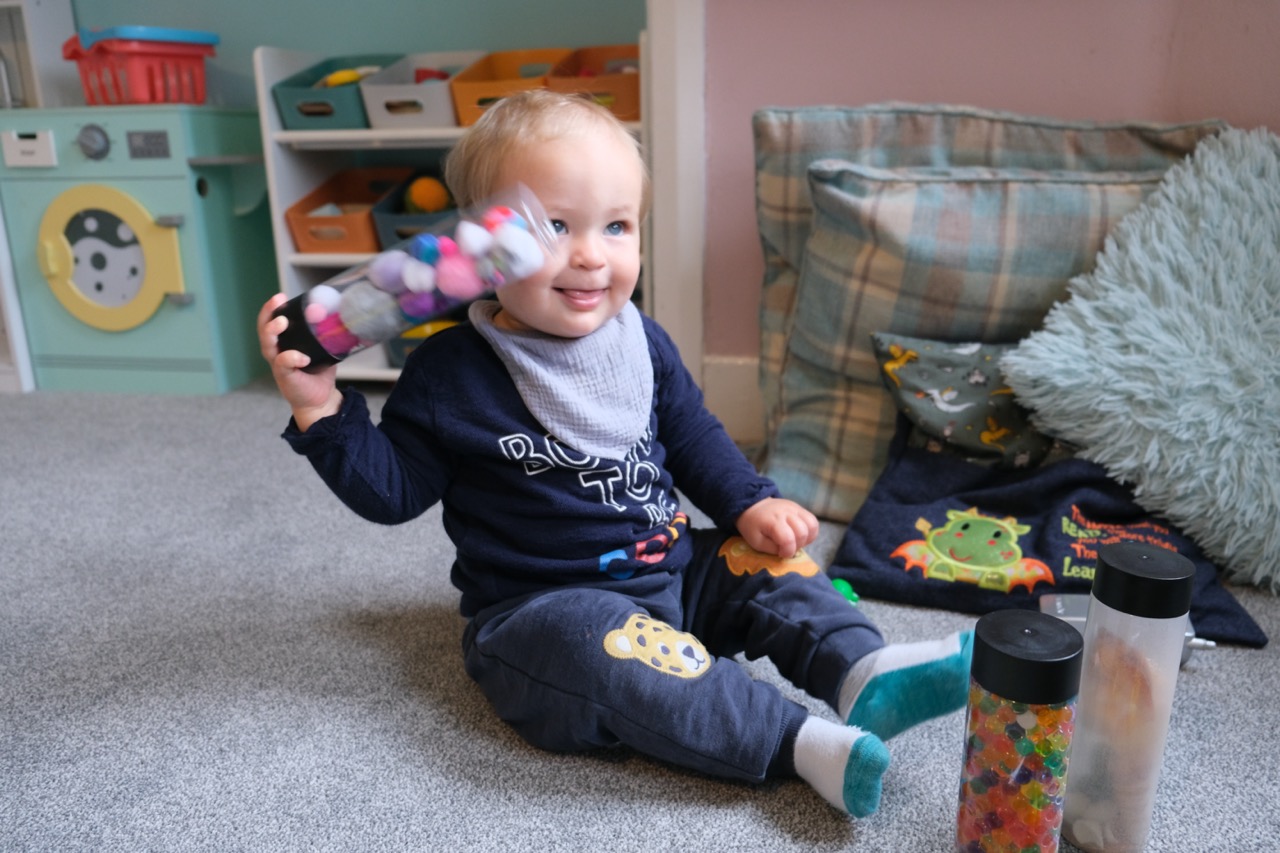
Music isn’t just about sound – instruments are very tactile things, too. Whether it’s a tiny shaker for toddlers or a larger electronic keyboard mat for older children, exploring music often involves developing motor skills.
Many rhyming songs also create great opportunities for actions and dancing, which can help develop balance for little ones.
Listening and Social Skills
Music is such a powerful social tool at any age, but in an early years setting, it’s a particularly shared experience. It could be a child playing along to a rhythm with a carer, children taking turns with an instrument, or a group sing-along.
Exploring music in this kind of setting is a great way to help little ones develop a whole host of social skills while also developing their listening and musical sense, which can help with things like rhythm.
Speaking and Vocabulary
Songs are a fantastic way to improve speaking skills. The more children can sing and listen to singing, the more they can learn and explore different pitches and tones, encouraging them to develop their own ability to control their voice.
Of course, nursery rhymes and other songs are also great ways for little ones to explore vocabulary, helping to strengthen their grasp of certain words while learning new ones.
Exploration and Expression
Last but certainly not least, music is another great way of encouraging little ones to explore. So much of early education is about guided discovery, which is why simply letting children pick up instruments and try making sounds can be so helpful in their growth.
In the same way young children draw as a way to explore self expression, so can music be a vital tool in little ones developing those ideas of feelings, independence and more that continue to develop throughout childhood.
Of course, music is only one form of play that can sit alongside other fun and engaging activities for young children. However, it’s a crucial part of the mix of activities that help early years children develop, which is why we love music games here at Devon Nurseries!