

The Benefits of Outdoor Play in Early Years
Ever wonder why children are so enthusiastic about playing all the time? As much as playtime is fun during their early years, it’s been scientifically proven that outdoor play supports a child’s development throughout early childhood – it isn’t just for fun and games! Through outdoor play, children make new discoveries, learn about the world around them, build social skills, overcome obstacles, and so much more. It’s no wonder that children feel such an impulse to play, as it’s through this exploration that they grow and develop.
At Devon Nurseries, we encourage outdoor play in the early years through beach and forest school, gardening, outdoor activities, and regular playtime.
Let’s explore the benefits of outdoor play in early years in more detail.
1. Supports Cognitive Development
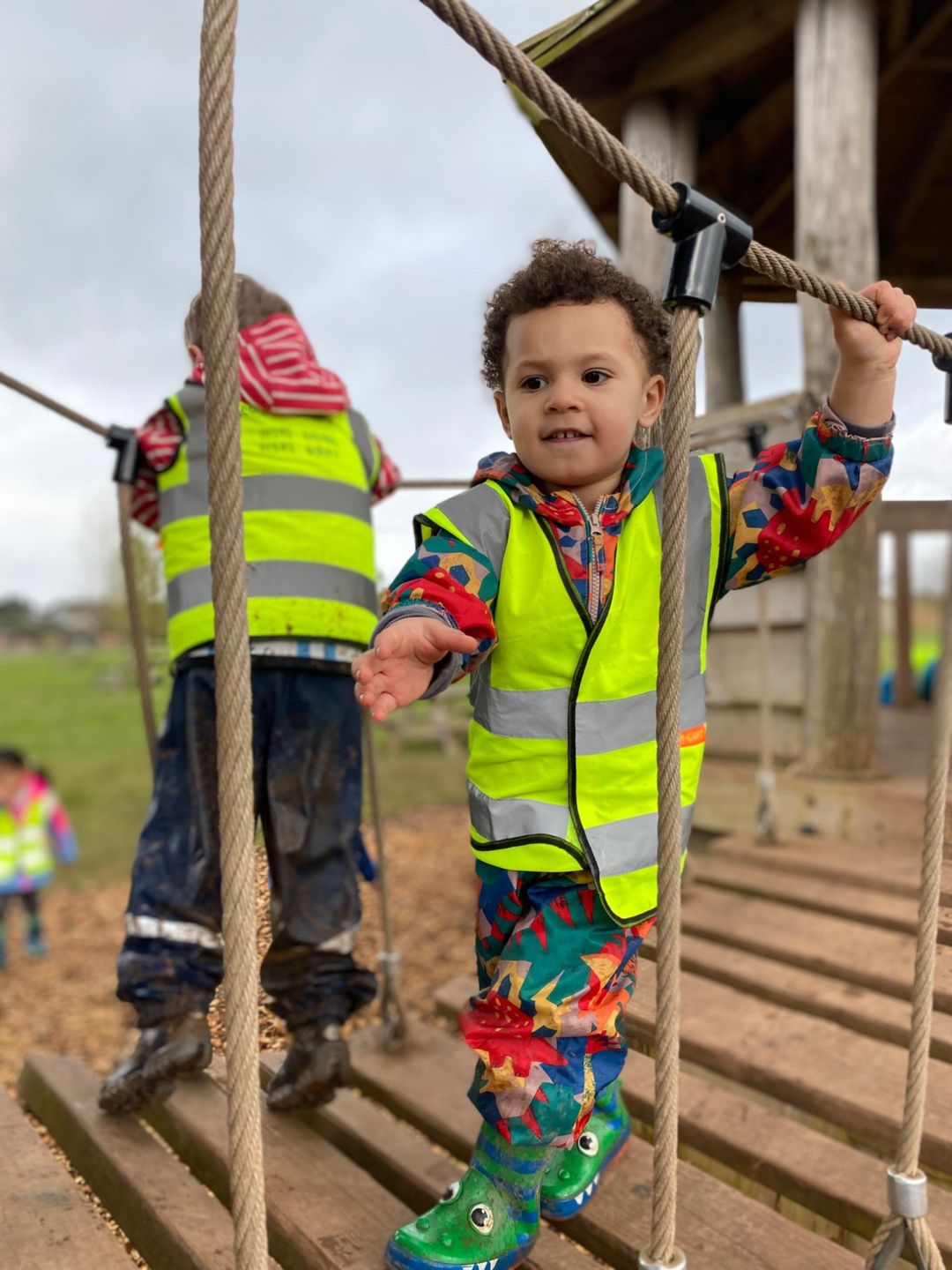
Outdoor play provides opportunities for children to experience hands-on learning and experimentation, which promotes cognitive development and critical thinking. Playing outside gives children in their early years the chance to explore and make discoveries, develop their language skills, solve problems, learn how to emotionally regulate, improve memory, and support creativity, all whilst showing them new perspectives.
These are crucial for brain and personal development in young children, contributing to significant cognitive development growth.
2. Builds Physical Fitness
When children explore the great outdoors, they engage their minds and physical bodies, too. Climbing, jumping, running, skipping, lifting, building, and so much more improves their coordination, balance, and strength.
Outdoor play is an excellent way for young children to build muscle and improve their cardiovascular health. By encouraging healthy habits and fitness early on, children are more likely to prioritise physical health as a way of life when they reach adulthood.
3. Sensory Development
When children are outdoors, they’re exposed to mother nature’s smells, textures, sounds, and sometimes taste. For example, when children play outside in autumn, they’ll most likely experience the sound and feeling of walking or jumping on leaves, mud, or wet puddles. Or, if they’re playing on the beach in the summer, they’ll start to recognise the smell of salty sea air or the taste of salt water when paddling around.
Children who play outdoors regularly experience a range of sensory stimulations, which help them better process information quickly. Sensory development is important as it helps children build brain connections, improve their language skills, and strengthen their motor skills.
Check out our previous guide, The Importance of Play in Early Childhood Education, to learn more about the different types of play that benefit young children.
4. Teaches Social Skills
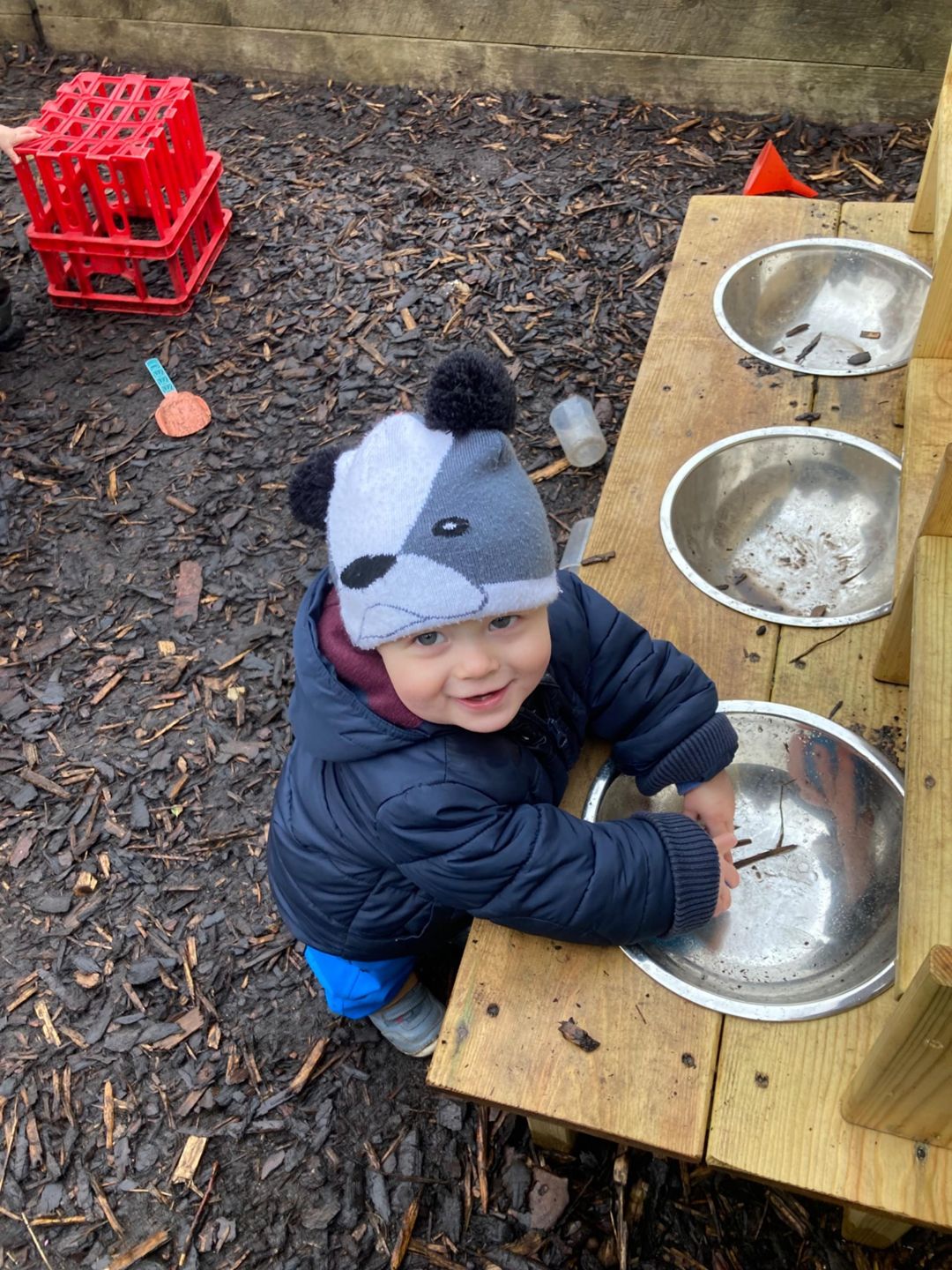
Children love playing outdoors, and they love playing outdoors with other children even more! Children often learn from each other, and when allowed to spend time with others their age, they can make wonderful childhood friends.
But that’s not all. Children also learn to build social skills when they play outdoors. Children develop brilliant social skills through communication, taking safe risks, processing and responding to minor disagreements among their peers, listening to each other, sharing toys, witnessing their friends’ emotions, and feeling support from their friends. These skills will help them communicate effectively with others in years to come.
5. Supports Emotional Well-being
There’s nothing like getting vitamin D! When children play outdoors, they’re exposed to more sunlight, which allows them to absorb one of the most essential vitamins: vitamin D. Vitamin D increases happiness and overall health.
But, even if the sun isn’t out, studies show that spending time outdoors decreases anxiety levels and improves mood. Regular play in nature has been proven to lower the risks of depression and improve concentration and attention.
6. Encourages Creativity and Independence
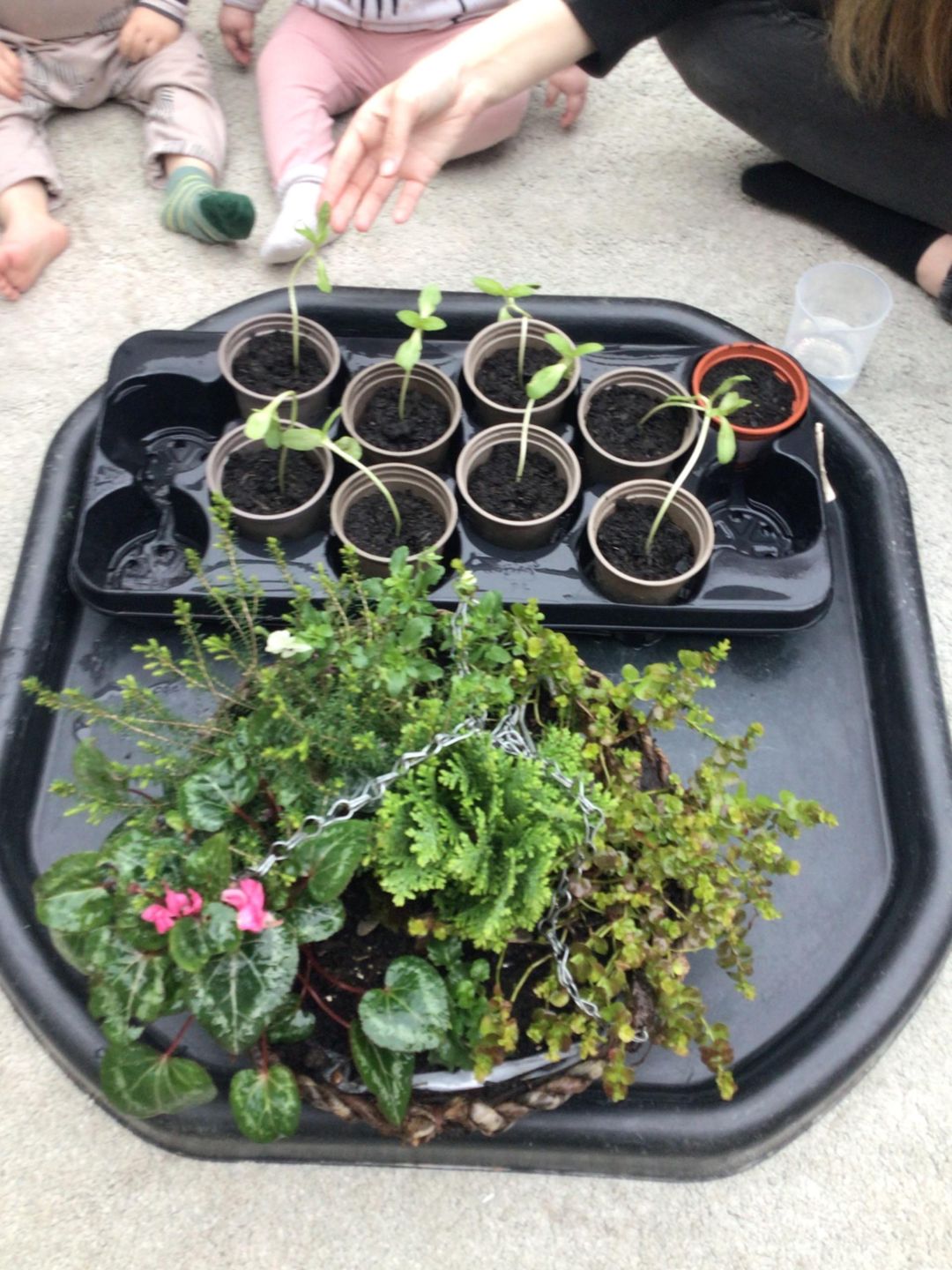
When young children play outside, they have all the freedom in the world to come up with new ideas and games and really use their imagination and creativity. They can experiment with their ideas and start understanding who they are as individuals as they start making informed decisions about what they enjoy.
Independence and creativity go hand in hand. The more creative children have the opportunity to be, the more they learn about themselves, contributing to a better sense of self, confidence, and independence.
We encourage outdoor play every day at Devon Nurseries, and we’re lucky enough to be surrounded by various outdoor, green Devonshire spaces to take advantage of. If you’d like to learn more about our nursery sites or our approach to early years development, contact us today.