Do you find yourself trying to calm down your child’s big emotions on a daily basis? Are you trying to help your little one manage feelings & emotions? Helping our children manage how they feel is vital and an understanding about what they can do about their feelings is a necessity. At Devon Nurseries, all our settings discuss managing feelings & emotions every day. Whether it’s a group time, story time, tuff trays or comforting children. If big emotions are regular for your child, take a read to see what you can do at home to help.
Identifying Feelings & Emotions
The first step of understanding emotions is to identify them. Helping children understand emotions and acknowledging the things that can trigger them is so important. ALWAYS ask your child how they feel. Can a story help them understand the difference between anger and sadness? Can puppet play give them the chance to see what tiredness looks like? The more they can talk about the feelings they feel and why they are feeling that way, the more they can start to regulate their emotions.
Calm Down Ideas for Managing Our Feelings & Emotions
Children of all ages will go through a whirlwind of new emotions. Remember, these emotions can be completely new to them and negative emotions such as anger, frustration and sadness can be overwhelming and hard to differentiate. There are many things you can do to help your child regulate these feelings. Here are some ideas for you to try, keep in mind that different ideas work for different children.
Help them release some energy: dance, kick a ball around, yoga, jump around!
Listen to some calm music or sing a song with them.
Show your child how to find peace. Close your eyes and take some deep breaths together.
Draw a picture.
Talk about feelings.
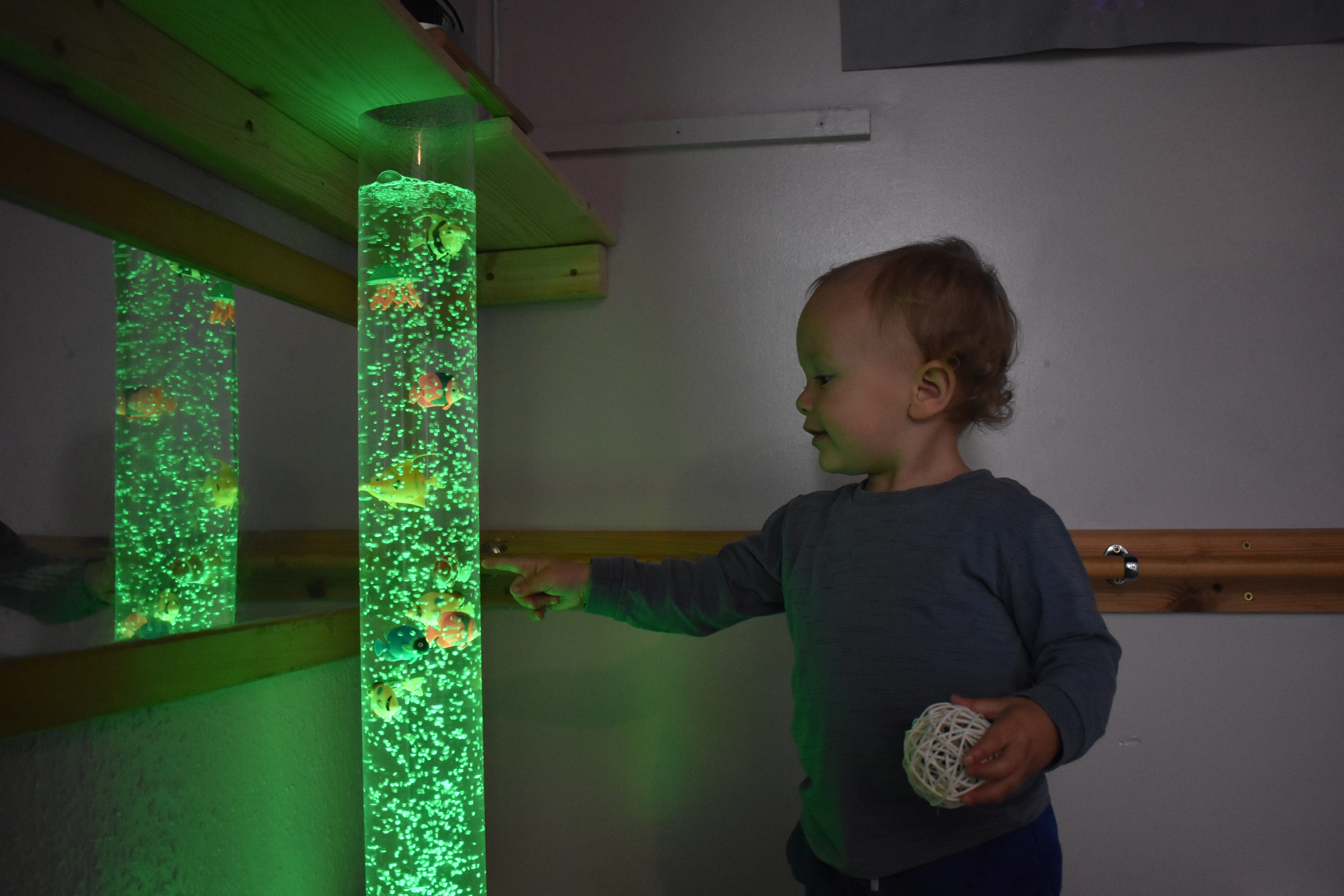
Get your child a sensory prop. Fidget toys, materials, sensory bottles help.
Give them a cuddle and show them you care.
Constant reassurance will help your child to feel comfortable in revealing and managing their emotions.
Remind them that it’s ok to feel the way they do but it’s also important to find a way to manage their feelings.
The most important thing to remember is to be patient. Big emotions are common in little ones. Our job is to help them get through the frustration, not to add to it.